

The Psychology of Luxury: Understanding What Affluent Buyers Really Want
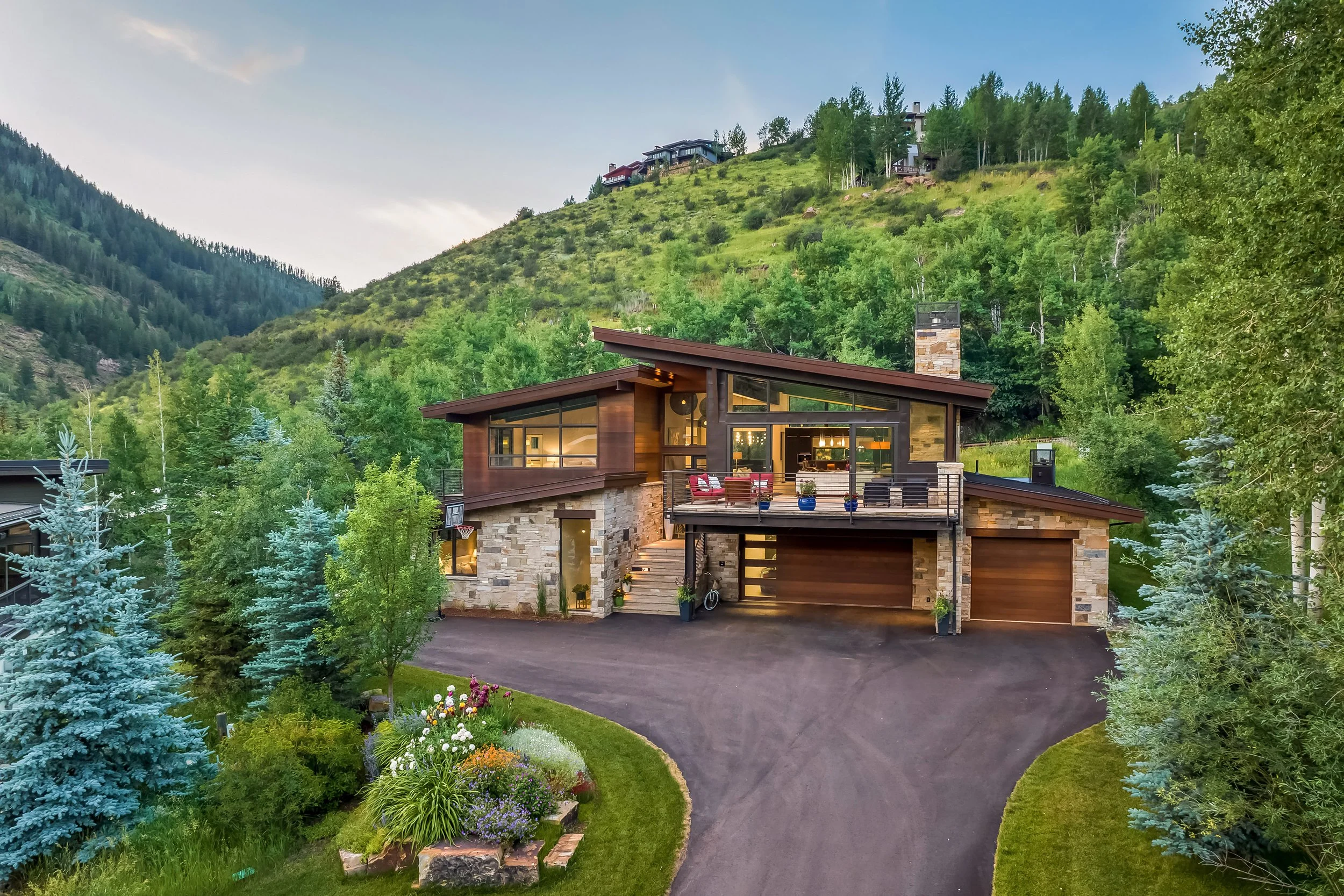
Bari Wiens has over 20 years of experience in directing photo shoots for individuals, teams, professional products and luxury homes.
Marketing Ultra-Luxury Real Estate in 2026: Beyond the Property Itself
If you're marketing properties north of $10 million, you already know this isn't your average real estate transaction. Your buyers aren't just purchasing square footage. They're investing in a carefully curated lifestyle, a legacy asset, and quite honestly, a reflection of their personal achievement.
The 2026 ultra-luxury market is forecast to remain resilient with continued price appreciation, but here's what's changed: your buyers have become remarkably selective. They're patient. They're strategic. And they're looking for something most marketing misses entirely.
What's Actually Driving Ultra-Affluent Buyers in 2026?
Let's get specific about buyer psychology, because understanding why they buy is more valuable than knowing what they buy.
Emotional Fulfillment Over Everything
Your clients aren't buying a home. They're buying the story they want to live. Recent data from the Institute for Luxury Home Marketing confirms that affluent buyers seek properties with strong personal connection and emotional resonance. The property must align with their self-image and aspirational lifestyle.
This means your marketing needs to speak to identity, not just amenities. That chef's kitchen? It's not about the Sub-Zero appliances. It is about hosting intimate dinners where they become the curator of unforgettable experiences. The home theater isn't a feature; it's where three generations gather for movie nights that become family tradition.
Legacy and Achievement: The Silent Motivator
Many of your buyers, especially those who've built their wealth rather than inherited it, view luxury real estate as the tangible symbol of their life's work. They're creating something that outlasts them. This isn't vanity: it's a deeply human desire to build generational wealth and security.
When marketing properties in this tier, acknowledge this. Highlight architectural longevity, timeless design elements, and features that appreciate rather than trend. Properties that tell a story of permanence and significance resonate powerfully.
The "No-Compromise" Expectation
Here's the reality: affluent buyers in 2025 are taking their time, scrutinizing every detail, and prioritizing lifestyle alignment over speed. They expect turnkey, museum-quality execution. High-end finishes and designer curation are baseline expectations, not selling points.
But here's what many miss: the luxury is often in the time saved and hassle avoided. Your buyers are time-poor and expect seamless experiences from discovery through closing. Any friction in the process, whether it's unclear communication, lack of preparedness, or subpar presentation, signals that the property itself might not meet their standards.
Key Psychological Drivers
Shaping 2026 Purchase Decisions
Privacy and Security as Non-Negotiables
Exclusivity isn't a luxury. It's a requirement. High-budget buyers are increasingly prioritizing privacy and exclusivity, seeking gated communities, private driveways, high walls, and secure locations. Some buyers even desire safes or walk-in vaults for storing valuables, a surprisingly common preference that speaks to their need for complete security.
Seamless, Invisible Technology
Your buyers expect sophisticated smart home integration, but here's the catch: it must be intuitive and non-intrusive. We're past the era of showcasing visible gadgets. The 2026 buyer wants AI-driven climate control that learns their preferences, invisible speakers integrated into architecture, and wireless charging embedded in surfaces. Technology should enhance life without demanding attention.
Wellness as a Core Value
In 2025, smart home automation is not just a feature but an expectation, with homeowners seeking seamless integration across lighting, security, entertainment, and climate control systems. But beyond technology, wellness has become central to luxury living. Spa-inspired bathrooms, infrared saunas, meditation pods, home gyms, and biophilic design elements (think indoor gardens, expansive glass walls, organic materials) are now baseline expectations for the discerning buyer.
Sustainability as Status
Eco-consciousness is no longer an alternative. It's mainstream prestige. Your buyers want green certifications, energy-efficient systems, fire and flood protection, sustainable materials, and resilient design. Affluent millennials gravitate toward homes featuring cutting-edge technology, sustainability and energy efficiency, viewing real estate as a lifestyle statement and a financial investment.
The Market Reality:
Patience Meets Selectivity
Let's talk numbers for a moment. 96% of surveyed Luxury Property Specialists say they're seeing steady or rising all-cash purchases. Your buyers aren't constrained by financing. They're constrained by finding properties that meet their exacting standards.
The pool of luxury real estate buyers is expected to continue expanding in 2026, driven by global growth in high-net-worth individuals. Knight Frank Research reports that the number of high-net-worth individuals worldwide rose by 4.4% in 2024, and the ultra-wealthy population is projected to grow by more than one-third over the next five years.
But here's what matters for marketing: inventory gains were largely due to longer time on market, not a flood of new listings, reflecting seller hesitation rather than urgency. This isn't a market in decline. It's one recalibrating. Buyers are deliberate. Sellers are patient. And success lies in strategy, not speed.
What This Means
for Your Marketing Strategy
1. Sell the Lifestyle, Not the Listing
Move beyond generic tours. Use stunning, cinematic media: drone photography, 4K video walkthroughs to showcase the experience the home offers. That private concert hall, VR lounge, or chef-grade kitchen needs context: show how it enables the lifestyle your buyer craves.
2. Emphasize Artisan Craftsmanship and Unique Details
Generic minimalism is fading. Marketing materials should emphasize custom, artisan-crafted elements, bold interiors, statement lighting, and personalized architectural features that tell a story. Custom finishes not only reflect a buyer's individual taste but also ensure that the home is one-of-a-kind, offering a level of personalization that mass-market homes simply can't replicate.
3. Create Highly Personalized Experiences
The buying and selling process must be a personalized, one-on-one experience. Never a broad, generic campaign. This audience expects insider access: off-market listings, private showings, and relationships with top-tier professionals (architects, designers, wealth managers) who can support their vision.
4. Leverage Targeted Digital Outreach
While traditional networking remains crucial, digital marketing involving highly targeted social media campaigns, strong SEO for specialized features, and sophisticated email marketing will reach specific high-net-worth buyer demographics. But remember: quality over quantity. Your digital presence should reflect the same exclusivity as your listings.
5. Provide High-Fidelity Virtual Experiences
Advanced virtual tours (going beyond simple 360 photos to interactive, measurement-enabled platforms) are essential for engaging international or remote buyers. But these must be production-quality. Poor virtual experiences suggest poor property quality.
The Psychology of Value: Beyond Price
Affluent home buyers still see real estate as a safe haven to grow and protect their wealth, but as the market balances and more inventory comes online, they can also be more choosy than in recent years.
Your buyers consider emotional, social, and ethical values as part of the total value, not just the price tag. They're looking at:
Long-term investment potential and appreciation trends
Tax strategy and estate planning considerations
Lifestyle alignment with their daily routines and aspirations
Brand association with the property's location and community
Resilience features that protect their investment from environmental and economic shifts
Why Professional Marketing
Expertise Matters
Here's the reality: you've earned the listing because you're a seasoned professional who understands this market. But marketing properties at this level requires specialized expertise that goes beyond traditional real estate marketing.
The stakes are different. The audience is more sophisticated. The competition for attention is fierce. And every detail, from photography to messaging to presentation, must reflect the caliber of the property itself.
A marketing specialist who understands ultra-luxury buyer psychology doesn't just create pretty brochures. They craft strategic narratives that speak to the emotional drivers behind eight-figure purchases. They know how to leverage scarcity, authority, and social proof without appearing desperate. They understand how to create desire through storytelling that honors both the property and the buyer's aspirations.
Most importantly, they free you to do what you do best: build relationships, negotiate deals, and provide the white-glove service your clients expect.
Looking Ahead: 2026 and Beyond
The ultra-luxury market isn't softening. It's maturing. Luxury and vacation home markets respond differently than the general market, being less vulnerable to recession due to their affluent buyer base, but they're highly sensitive to stock market performance and investor confidence.
Your buyers are still out there. They're qualified. They're ready. But they're waiting for properties that don't just meet their criteria. They exceed it. Properties marketed with the same level of excellence they expect from the homes themselves.
The psychology of luxury in 2026 comes down to this: your buyers aren't looking for houses. They're seeking sanctuaries, legacy assets, and lifestyle enablers that reflect who they are and who they're becoming. Market accordingly.
About Bari Wiens Marketing
After spending 30+ years developing marketing strategies for ultra-luxury real estate at Sotheby's International Realty and Compass Real Estate, I understand exactly what it takes to position properties at this level.
As the former Marketing Director for the #1 ranked Vail Valley real estate team, I helped drive annual sales from $100 million to over $200 million by implementing the exact psychological principles and strategic positioning we've discussed here. I've also worked with founding agents at Compass, growing their business volume from $10 million to over $60 million through targeted luxury marketing.
Here's what I know: if marketing strategies can succeed in the Vail Valley's ultra-competitive luxury market, they'll dominate anywhere. The principles of human psychology, strategic positioning, and exceptional execution translate across every luxury market nationwide.
Now, as a Fractional Marketing Director, I provide senior-level marketing expertise to luxury real estate professionals without the $250K+ overhead of a full-time executive. You get the strategic thinking, creative execution, and industry knowledge that comes from decades of proven results, scaled to fit your specific needs.
Ready to elevate your luxury property marketing? Let's talk about how strategic marketing can help your luxury listings stand out in a selective market.
Learn more about working together
-
Marketing properties over $10 million requires a fundamentally different approach than traditional real estate marketing because you're selling to a psychologically distinct buyer segment. Ultra-affluent buyers (high-net-worth individuals with $5M+ in assets) aren't purchasing square footage. They're investing in legacy assets, lifestyle enablers, and tangible symbols of their achievement.
-
Real estate agents and teams marketing luxury properties over $5 million ashould consider a Fractional Marketing Director when they need senior-level strategic expertise without the $250K+ annual overhead of a full-time marketing executive.
-
Professional marketing services for ultra-luxury properties deliver ROI through faster sales cycles, premium pricing achievement, expanded buyer reach, and enhanced brand positioning that attracts future high-value listings.